
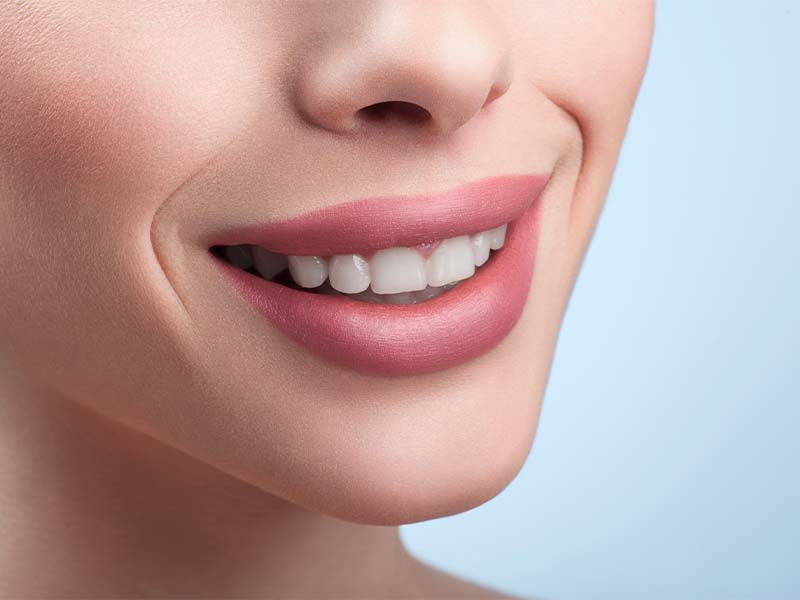
Cosmetic dentistry is dental care that focuses on improving how your teeth, gums and smile look, while still protecting their health and function. It may address colour, chips, gaps, shape or missing teeth. What suits you depends on an examination, because the same visible concern can have different causes and different safe solutions.
Key Takeaways
- Cosmetic dentistry is appearance-focused dental care planned around oral health, bite and your personal goals.
- Active decay, gum disease or an unstable bite is usually treated before elective aesthetic work begins.
- Common cosmetic dentistry procedures include whitening, bonding, veneers, crowns, contouring and, when planned together, a smile makeover.
- No cosmetic result is permanent or maintenance-free; whitening fades, bonding can stain and veneers can chip.
- Most purely cosmetic treatment is elective and is often not covered by dental benefit plans, so ask for a written estimate first.
What is cosmetic dentistry?
Cosmetic dentistry is not a separate specialty in Canada. It is a way of describing dental treatments whose main purpose is to change the appearance of teeth and gums, usually delivered by a general dentist as part of broader care. General dentistry is concerned first with health and function; cosmetic dentistry adds the question of how a smile looks and how its parts relate to each other.
The two often overlap. A crown that rebuilds a cracked front tooth restores strength and improves appearance at the same time. Tooth-coloured bonding may close a small gap for aesthetic reasons, or it may repair a chipped edge that also catches your tongue. Because of that overlap, a responsible plan separates what you need for health from what you want for appearance, and explains both.
According to Cleveland Clinic's patient guide to cosmetic dentistry, the aim is to improve the balance and symmetry of the teeth and gums. That goal is shaped by your face, lips, bite and tooth structure, not by a template smile. A good result looks like your own teeth on a good day, not like someone else's photograph.
Landmark Dental Care's cosmetic dentistry page describes the treatment categories the practice discusses with patients. Use it as an overview, then confirm details for your own mouth during a consultation.
What concerns can cosmetic dentistry address?
People consider cosmetic dentistry for different reasons. Some want a subtle refinement of one tooth. Others want a broader change across the front of the smile. Common concerns include:
- Colour: yellowing, stains from coffee, tea, red wine or tobacco, or one tooth darker than the rest.
- Chips and wear: small chips, uneven edges, or front teeth that look short from grinding.
- Spacing: gaps between teeth, or small spaces left after gum changes.
- Shape and proportion: teeth that look too small, pointed, uneven or mismatched.
- Position: crowding or teeth that tilt, which may call for orthodontic discussion.
- Gum display: an uneven gumline or a lot of visible gum when smiling.
- Missing teeth: gaps that affect the smile line and chewing.
- Old dental work: fillings or crowns that no longer match surrounding teeth.
Not every visible concern needs an invasive solution. Professional cleaning and polishing, whitening alone or a small bonding repair may be enough for some cases. The first task is defining the problem clearly: what is actually on the tooth, what caused it and whether it is stable.
Patients sometimes arrive asking for a single product they saw online. A useful conversation turns that request into a diagnosis-first discussion. It asks what is present on the teeth and gums, what is realistic for your enamel and bite, and which option addresses the concern with the least unnecessary irreversible change.
Common cosmetic dentistry procedures compared
Cosmetic dentistry is a field, not a single procedure. The table below summarizes the categories most often discussed. It is a general guide; suitability, sequence and availability are confirmed after an exam.
| Treatment | What it does | Often considered for | Tooth change involved | Main limit to know |
|---|---|---|---|---|
| Teeth whitening | Lightens natural enamel with peroxide gel, in office or with custom trays | Surface stains, general yellowing | None removed; temporary sensitivity is common | Does not change crowns, veneers or fillings |
| Composite bonding | Adds tooth-coloured resin, shaped and hardened with a curing light | Small chips, gaps, minor shape changes | Little or no enamel removed in many cases | Can stain and chip; needs touch-ups |
| Veneers | Thin porcelain or composite shells bonded to the front of teeth | Broader colour, shape or proportion changes | Conventional veneers remove a thin enamel layer | Irreversible; can chip or loosen |
| Crowns | Full-coverage caps over a tooth | Weak, cracked or heavily filled teeth | Significant reshaping of the tooth | Structural treatment, not a first cosmetic step |
| Tooth contouring | Removes small amounts of enamel to smooth or reshape | Small uneven edges | Small enamel removal | Only suits minor changes |
| Gum contouring | Reshapes the gumline | Uneven gums, "gummy" smile | Soft-tissue change | Needs healthy gums; healing time |
| Implants and bridges | Replace missing teeth | Gaps in the smile | Surgery (implants) or shaping neighbouring teeth (bridges) | Longer timeline; health screening needed |
| Braces or clear aligners | Move teeth gradually | Crowding, spacing, bite problems | Teeth move; no enamel removed | Months of treatment; retainers afterward |
Two notes help put the table in context. First, durability varies with your bite, habits and hygiene. Cleveland Clinic's cosmetic dentistry guide gives broad ranges, such as months for whitening and several years for bonding and veneers, but those are general figures, not a promise for any one tooth. Second, a list of categories does not confirm that every option is offered in every office. Ask which treatments are provided in-house and which would involve a referral.
If you are weighing the two most common "add-on" treatments, our guide to dental bonding vs veneers compares preparation, staining and maintenance in more detail.
What is a smile makeover?
A smile makeover is a coordinated cosmetic dentistry plan that combines two or more treatments to address several concerns at once. Instead of treating one tooth in isolation, the dentist looks at colour, shape, spacing, gum display and bite across the whole smile, then sequences the steps so each one supports the next.
A smile makeover might combine whitening with bonding on two chipped teeth. Another might involve orthodontic alignment, then veneers or crowns, with a restoration replaced at the end to match the new shade. The combination depends entirely on findings. There is no standard smile makeover package, and a larger plan is not automatically a better one.
How a smile makeover is usually sequenced
- Health first. Decay, gum inflammation, infection or failing restorations are treated before elective work.
- Tooth position. If alignment is part of the plan, teeth are usually moved before anything is permanently bonded to them.
- Colour. Natural teeth are often whitened before any new restoration is shade-matched, because whitening does not change restorative materials.
- Shape and restorations. Bonding, veneers or crowns are placed to match the settled shade and position.
- Protection and maintenance. A nightguard may be recommended if you grind, and recall visits check margins, wear and gum health.
A smile makeover is usually spread over several visits and sometimes several months. Ask which steps are provisional and which are final, and whether any part can be staged over time without harming your oral health. Our article on what to expect at a cosmetic dental consultation explains how that planning conversation usually runs.
Why is oral health assessed before cosmetic treatment?
Healthy foundations make aesthetic results more predictable and easier to maintain. Placing veneers over untreated decay, whitening teeth with exposed roots or bonding next to inflamed gums can create problems that are harder to fix later. That is why cosmetic dentistry at a general practice starts with the same exam used for routine care.
A pre-cosmetic assessment commonly reviews:
- teeth for decay, cracks and the condition of existing fillings and crowns;
- gums for inflammation, bleeding, recession or uneven contours;
- how your teeth meet, and habits such as grinding or clenching;
- oral hygiene and stain-related habits such as smoking;
- medical history, medications and allergies that could affect treatment or healing.
X-rays or photographs may be recommended when a visual exam cannot answer a question, such as decay between teeth or bone support around a tooth that will carry a restoration. Regular preventive dentistry, including cleanings, is also part of keeping cosmetic work healthy once it is placed.
Oral-health-first planning is not a delay tactic. Sometimes the restorative treatment you need for health also improves appearance, which can simplify or shrink the elective part of the plan.
What cosmetic dentistry does not do
Cosmetic dentistry has real limits, and knowing them up front prevents disappointment. Cosmetic treatment does not stop new cavities on unprotected tooth surfaces, and it does not treat gum disease. Daily brushing with fluoride toothpaste, cleaning between teeth and regular checkups still matter.
- Whitening does not change restorations. Crowns, veneers and most fillings keep their colour while natural enamel lightens, which can make old dental work look darker.
- No result is permanent. Whitening fades with diet and time, bonding can chip or pick up stain, and veneers and crowns may eventually need repair or replacement.
- Some changes cannot be undone. Conventional veneers and crowns remove enamel that does not grow back.
- Previews are not warranties. Photographs, mock-ups or digital previews are communication tools, not a guarantee of an identical final appearance.
- Habits still matter. Grinding, nail biting and using teeth as tools can damage any cosmetic work.
The Canadian Dental Association's dental care FAQ also notes that long-term use of whitening or bleaching products may cause tooth sensitivity or tooth abrasion. That is one reason any cosmetic plan should include a maintenance discussion, not only a treatment one.
Special situations and timing
Some life stages and health conditions change how or when cosmetic dentistry is planned.
Teens and young adults. Teeth and gums are still maturing in younger patients, and many cosmetic decisions can wait. Chips from sports injuries may need repair, but elective whitening or veneers are usually discussed later, after growth and any orthodontic treatment are complete.
Pregnancy. Many dentists suggest postponing elective cosmetic treatment such as whitening until after pregnancy. Routine dental care and treatment of infection or pain should not be postponed. Tell the dental team if you are pregnant or planning to be.
Older adults. Gum recession, worn edges and older restorations are common with age. Plans may focus on replacing failing fillings, protecting worn teeth and matching new work to existing crowns rather than on dramatic colour change.
Grinding and clenching. Heavy bite forces can chip bonding and porcelain. A nightguard and bite assessment are often part of the plan.
Medical conditions and medications. Conditions such as diabetes can affect gum health and healing, and some medications cause dry mouth, which raises cavity risk around restorations. Share your full medication list.
Dental anxiety. Cosmetic care is elective, so you can go at your own pace. Ask for a step-by-step explanation, shorter appointments or breaks during treatment if that helps.
Planning cosmetic care in Truro and Colchester County
Landmark Dental Care is a family general practice at 125 Queen St in downtown Truro, in a Victorian Queen Anne–style home. The office is open Monday to Friday, 8:30am to 5:00pm, and sees patients from Truro, Bible Hill, Colchester County and Central Nova Scotia. Dr. J. Peter Thomson, D.D.S., is the principal dentist, and restorative dentistry is a special area of interest. That matters for cosmetic planning, because many smile concerns involve old fillings, worn edges or crowns as well as colour.
The practice's cosmetic care includes whitening, bonding, veneers, contouring and smile makeovers, planned alongside general and restorative dentistry. For treatments such as orthodontic alignment, ask the team which options are available at the office and when a referral to a specialist may be recommended.
On cost, cosmetic fees in Nova Scotia are set by each dental office, and most purely cosmetic treatment is elective, so it is often not covered by private dental plans. As of 2026, the federal Canadian Dental Care Plan's list of covered services does not include cosmetic treatments such as whitening. If you have coverage, read our CDCP information and call the office to confirm current participation and billing before booking. For a full explanation of fee factors, see how much cosmetic dentistry costs.
FAQ
Is cosmetic dentistry only about vanity?
No. Many cosmetic treatments also repair chipped, worn or missing tooth structure, and a better-fitting restoration can be easier to clean. Even when the main goal is appearance, oral health and bite still guide the plan.
What is the difference between cosmetic dentistry and a smile makeover?
Cosmetic dentistry is the whole category of appearance-focused treatments. A smile makeover is one coordinated plan that combines several of those treatments in a set order, such as whitening followed by bonding or veneers.
Do I need veneers to improve my smile?
Not necessarily. Whitening, bonding, contouring, orthodontic treatment or replacing one old restoration may meet the goal with less permanent change. A consultation compares options before recommending one.
Is cosmetic dentistry covered by insurance?
Often not when the main purpose is appearance, because many plans treat it as elective. Treatment that also restores function, such as a crown on a cracked tooth, may qualify for partial benefits depending on your plan, so ask for a written estimate and check with your insurer.
How long do cosmetic dental results last?
It depends on the treatment and your habits. Whitening fades gradually, bonding may need touch-ups over the years, and veneers and crowns can last longer but may still chip or need replacement; your dentist can explain what shortens or extends the life of each option for your mouth.
Next step
If you want to talk about smile goals in the context of your overall oral health, explore cosmetic dentistry at Landmark Dental Care. You can call 902-893-2919 or contact the office to book a consultation at 125 Queen St, Truro.
References
- Canadian Dental Association: Dental Care FAQs
- Government of Canada: What services are covered in the Canadian Dental Care Plan
- Cleveland Clinic: Cosmetic Dentistry
- American Dental Association: Whitening
- MouthHealthy (ADA): Veneers
- MouthHealthy (ADA): Ways to Improve Your Smile
This article provides general educational information and is not a diagnosis or a substitute for care from a dentist or other qualified health professional.
About this guide
This article was written and reviewed by the Landmark Dental Care Team at Landmark Dental Care, 125 Queen St, Truro, NS B2N 2B4. It is general patient education and is not a diagnosis or a substitute for an examination. If you have pain, swelling or a change in your mouth, call us at 902-893-2919 so a dentist can assess you.