
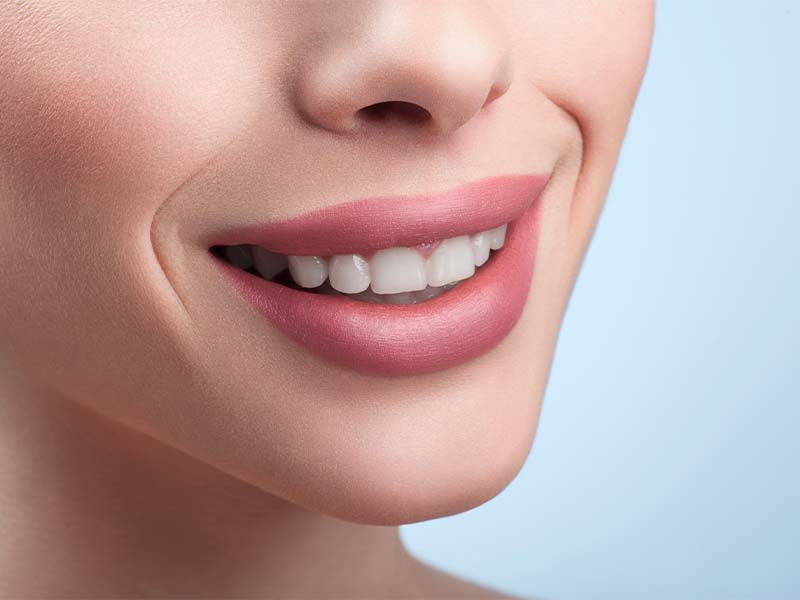
Composite bonding is a treatment in which a dentist applies tooth-coloured resin to a tooth, shapes it and hardens it with a curing light to repair a chip, close a small gap or even out an edge. It often takes one visit, but whether it suits you depends on the size of the problem, your bite and the health of the tooth underneath.
Key Takeaways
- Composite bonding adds tooth-coloured resin to the tooth surface, usually with little or no removal of natural enamel.
- Dental bonding works best for small chips, minor gaps, uneven edges and localized discolouration; larger damage may need a crown, onlay or veneer.
- According to Cleveland Clinic, bonding material typically lasts three to 10 years before it needs touching up or replacing, depending on habits and bite.
- Composite resin can stain and chip more easily than porcelain, so aftercare focuses on avoiding hard biting and limiting stain exposure.
- A chipped tooth that is painful, sharp or near the nerve should be examined before any cosmetic repair is planned.
What is composite bonding?
Composite bonding, also called dental bonding or tooth bonding, is a direct restoration made in the mouth rather than in a lab. The dentist places a putty-like resin composite on the tooth, sculpts it into shape, hardens it with a special light and polishes it. The American Dental Association describes resin-based composite as a tooth-coloured material used for fillings and veneers, and notes that it bonds adhesively to tooth structure.
The same family of material is used for white fillings. The difference is mostly purpose. A composite filling replaces tooth lost to decay, while cosmetic bonding usually adds material to improve shape, length or colour. In practice the two often overlap: a chipped front tooth may need both repair and a careful colour match.
Because bonding is additive, it often needs little or no drilling of healthy enamel. That makes composite bonding one of the more conservative options in cosmetic dentistry. It is not completely reversible, since the enamel is roughened and conditioned so the resin can grip, but it usually preserves more natural tooth than a crown or conventional veneer.
What can dental bonding fix?
Dental bonding is used for small, targeted changes. According to Cleveland Clinic, it can hide chips or cracks, close gaps between teeth, camouflage discolouration and change a tooth's shape to make it longer, wider or more even.
| Often a good fit for bonding | Often better suited to another option |
|---|---|
| A small chip on the edge of a front tooth | A large break that exposes much of the tooth or the nerve |
| A minor gap between two front teeth | Crowding or bite problems that need tooth movement |
| One tooth slightly shorter or narrower than its neighbour | Several teeth needing a broad change in shape and colour |
| A localized white spot or small stain | Deep, widespread discolouration across many teeth |
| Rough or uneven edges from wear | Heavy grinding that keeps breaking the edges |
| A small area of decay on a visible surface | A tooth weakened by a large old filling or root canal |
Bonding versus whitening
Bonding does not whiten natural teeth, and whitening gel does not lighten composite resin. If you are thinking about both, whitening usually comes first so the bonding can be matched to your final shade. Your dentist can explain whether in-office or take-home whitening makes more sense before bonding.
Bonding versus veneers
Bonding and veneers are sometimes confused because both can change the front surface of a tooth. Bonding is shaped directly on the tooth, usually in one visit. A porcelain veneer is a thin shell made outside the mouth, and conventional veneers usually need some enamel removed. For a side-by-side look at the trade-offs, read dental bonding vs. veneers.
Bonding a chipped tooth: how soon should you be seen?
Bonding a chipped tooth is one of the most common reasons people ask about composite bonding. The first step, though, is not cosmetic. A dentist needs to check how deep the chip goes, whether the tooth is cracked and whether the nerve is affected.
Call a dental office promptly if a chipped tooth:
- is painful, especially to cold, heat or biting;
- has a sharp edge that is cutting your tongue or cheek;
- shows a pink or red spot in the broken area, which can mean the pulp is exposed;
- happened with a blow to the face, as other teeth or the jaw may be injured.
A small, painless chip in the enamel is usually not urgent, but it is still worth having checked. Cleveland Clinic notes that some hairline cracks that do not cause pain or infection may not need treatment at all. If there is pain or a deeper break, a prompt visit for emergency dentistry can protect the tooth, and cosmetic bonding can follow once the tooth is stable. Our guide to chipped and cracked teeth covers first aid in more detail.
Hospital care is different. For a serious facial injury, uncontrolled bleeding, or trouble breathing or swallowing, call 911 or go to the nearest emergency department.
What to do before the appointment
Save any piece of tooth in a clean container, rinse gently with lukewarm water and avoid chewing on that side. A cold compress on the outside of the cheek can help with swelling. Do not use household glue on a broken tooth.
What happens during tooth bonding?
A typical tooth bonding appointment follows these steps. Cleveland Clinic describes the process as usually taking 30 to 60 minutes per tooth, and often needing just one visit.
- Examination. The dentist checks the tooth, gums and bite, and may take X-rays if decay or a crack is suspected. Bonding over an untreated problem is not a good plan.
- Shade selection. A shade guide is used to choose resin that matches your natural teeth. Your dentist may ask whether you plan to whiten first.
- Surface preparation. The tooth surface is gently roughened and a conditioning liquid is applied so the resin can bond. Freezing is often unnecessary for small cosmetic changes, but it may be used if decay is removed or the tooth is sensitive.
- Building the shape. Resin is placed in layers and sculpted to the planned shape, length or contour.
- Curing. A special light hardens each layer.
- Finishing and polishing. The dentist trims, shapes and polishes the bonding so it blends with the surrounding teeth and reflects light like enamel.
- Bite check. You bite together and slide your teeth side to side so the dentist can adjust any spots that hit too hard.
Afterward, you can usually eat and go about your day. Some people notice the new edge with their tongue for a day or two. If the bite feels high or a rough spot remains, call the office for a quick adjustment.
How long does bonding last?
How long bonding lasts depends on where it is, how big it is and what it has to withstand. According to Cleveland Clinic, bonding material typically lasts between three and 10 years before it needs to be touched up or replaced. That is a general range, not a guarantee for any single tooth.
Factors that can shorten the life of composite bonding include:
- Location and bite. Bonding on a biting edge takes more force than bonding near the gumline.
- Grinding and clenching. Night-time grinding can chip resin edges.
- Habits. Biting nails, pens, ice or opening packages with your teeth concentrates force on the bonded area.
- Staining exposure. Coffee, tea, red wine and tobacco can dull or discolour resin over time.
- Size of the repair. A small chip repair generally holds up better than a large build-up.
The ADA's review of direct restorative materials notes that patient behaviour is a major influence on how long composite restorations last. In plain terms, the same repair can last very differently in two different mouths.
Touch-ups and repairs
One advantage of composite bonding is that it can often be polished, repaired or added to rather than completely redone. A small chip in bonding may be smoothed or patched at a regular visit. When the resin is heavily stained or worn, replacing it is usually straightforward.
Composite bonding aftercare
Good composite bonding aftercare is simple, but it makes a real difference.
Daily care
- Brush twice a day with fluoride toothpaste and a soft brush. Cleveland Clinic recommends twice-daily brushing and daily flossing.
- Clean between your teeth every day. Floss or interdental brushes help keep the edges of the bonding free of plaque.
- Choose a non-abrasive toothpaste if your dentist suggests it, since very gritty pastes can dull the polished surface.
Protecting the bonding
- Do not bite hard objects such as ice, hard candy, pens or fingernails with bonded teeth.
- Cut crunchy foods like apples or crusty bread into pieces rather than biting straight in with front teeth.
- Ask about a nightguard if you grind or clench.
- Wear a sports mouthguard for contact sports.
Limiting stains
- Rinse with water after coffee, tea, red wine or other dark drinks.
- Consider a straw for iced coffee or dark drinks.
- Stopping smoking or vaping helps both the bonding and your gums.
When to call
Call the office if the bonding chips, feels rough or sharp, or if the bite feels uneven. Also call if the tooth becomes sensitive or painful, which can signal a problem with the tooth itself rather than the bonding. At recall visits, your dentist and hygienist check bonded edges for wear, staining and gaps.
Limits, alternatives and cost factors
Composite bonding is useful, but it is not the right answer for every tooth. Stating the limits clearly helps you choose well.
What composite bonding does not do
- It is not as stain-resistant as porcelain. Cleveland Clinic notes that bonding stains more readily than porcelain and can chip over time.
- It is not designed for dramatic changes. A full smile makeover or large colour change is usually better planned with other options.
- It does not strengthen a badly weakened tooth. A tooth with a large break or a big old filling may need a crown or onlay for protection.
- It does not move teeth. Bonding can make a gap look smaller, but it cannot correct crowding or bite problems.
- It does not prevent decay. The natural tooth around the bonding still needs brushing, cleaning between teeth and regular checkups.
How bonding compares with other options
| Option | How it works | When it may be considered | Main trade-off |
|---|---|---|---|
| Composite bonding | Resin added and shaped directly on the tooth | Small chips, gaps, uneven edges | Can stain and chip; touch-ups over time |
| Tooth contouring | Small amounts of enamel smoothed or reshaped | Minor rough or uneven edges | Removes enamel; only small changes |
| Porcelain veneer | Thin shell bonded to the front surface | Broader shape and colour changes | Usually needs enamel removal; more visits |
| Crown | Cap covering the whole visible tooth | Large breaks or weakened teeth | Removes more tooth structure |
| Onlay | Lab-made piece covering part of the biting surface | Moderate damage on back teeth | More involved than a direct filling |
For more on how crowns are used for damaged teeth, see our guide to dental crowns.
Cost factors
We do not publish prices online, because the fee depends on what the tooth needs. Factors that influence the cost of composite bonding include the number of teeth, how much resin is needed, whether decay is removed at the same time, and whether whitening or other treatment is planned first. Your dentist can give you an estimate after an exam.
Coverage varies. Bonding done to repair a broken tooth or replace tooth lost to decay may be treated differently by insurance than bonding done purely for appearance, which is often considered elective. If you have a private plan, ask for a predetermination. If you have Canadian Dental Care Plan coverage, fillings are listed as covered basic services as of 2026, but elective cosmetic changes may not be; see our CDCP information and call to confirm current participation and billing.
Special situations
Children and teens. Bonding can repair a chipped permanent front tooth after a fall or sports injury. Because young teeth and gums are still changing, the bonding may need updating as your child grows.
Pregnancy. Tell your dentist if you are pregnant. Treating pain, decay or a sharp broken edge is a different question from elective cosmetic work, and your dentist can talk through timing with you.
Anxiety about dental visits. Small bonding repairs are often quick and may not need freezing. Let the team know you are anxious so they can explain each step and build in breaks.
People who grind their teeth. Bonding on biting edges is more likely to chip. A nightguard or a different restoration may be suggested.
Composite bonding at a Truro family practice
Landmark Dental Care is a family general practice at 125 Queen St in downtown Truro, and bonding is one of the cosmetic options we offer alongside whitening, veneers and tooth contouring. Restorative dentistry is a special area of interest for the practice, which helps when a chipped tooth needs both repair and a natural-looking result.
If you have chipped a tooth in Truro, Bible Hill or elsewhere in Colchester County, call 902-893-2919 during office hours, Monday to Friday, 8:30am to 5:00pm, and let the team know whether it hurts. Nova Scotians can call 811 at any time for nurse advice. For a serious facial injury or trouble breathing or swallowing, call 911 or go to the Emergency Department at the Colchester East Hants Health Centre.
FAQ
Does composite bonding damage your teeth?
Composite bonding usually removes little or no healthy enamel, which is why it is considered conservative. The surface is roughened so the resin can stick, so bonding is not completely reversible. Your dentist can tell you how much preparation your tooth would need.
Does tooth bonding hurt?
Most people feel little discomfort, and small cosmetic repairs often do not need freezing. Freezing may be used if decay is being removed or the tooth is sensitive. Some people notice mild sensitivity for a short time afterward.
Can you whiten composite bonding?
No. Whitening products lighten natural enamel but not composite resin. If you plan to whiten, it is usually done before bonding so the resin can match your new shade.
How long does bonding last on front teeth?
According to Cleveland Clinic, bonding material typically lasts three to 10 years before it needs touching up or replacing. Bonding on a biting edge, or in someone who grinds their teeth, may need attention sooner.
Can bonding fix a chipped tooth the same day?
Often, yes, if the chip is small and the tooth is otherwise healthy. If the tooth is painful, cracked or close to the nerve, the dentist will treat that first, and cosmetic bonding may happen at a later visit.
Next step
If you have a chip, gap or uneven edge you would like to improve, talk to our Truro team about cosmetic bonding. Call 902-893-2919 or use our contact page to book a visit at 125 Queen St, Truro.
References
- American Dental Association: Materials for Direct Restorations
- MouthHealthy (ADA): Composite Fillings
- Cleveland Clinic: What is Dental Bonding & What To Expect
- Cleveland Clinic: Cracked Tooth (Fractured Tooth)
- Government of Canada: Canadian Dental Care Plan – What is covered
This article provides general educational information and is not a diagnosis or a substitute for care from a dentist or other qualified health professional.
About this guide
This article was written and reviewed by the Landmark Dental Care Team at Landmark Dental Care, 125 Queen St, Truro, NS B2N 2B4. It is general patient education and is not a diagnosis or a substitute for an examination. If you have pain, swelling or a change in your mouth, call us at 902-893-2919 so a dentist can assess you.